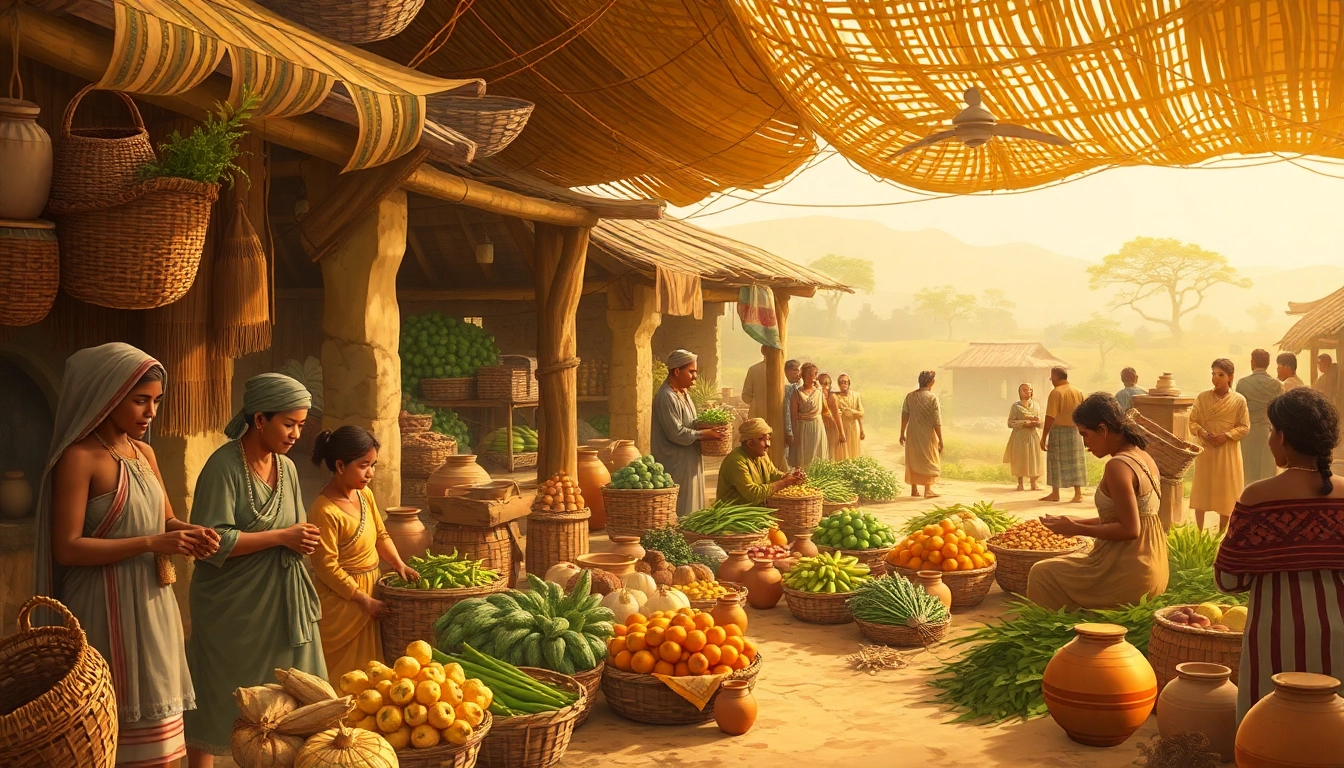
Defining Traditional Economy
What is Traditional Economy?
A traditional economy is an economic system characterized by the customs and traditions that dictate the production, distribution, and consumption of goods and services. This type of economy often relies on subsistence farming, hunting, and bartering, rather than a monetary-based system seen in modern economies. Traditional economies are usually found in rural and undeveloped regions where communities have a strong reliance on the environment and cultural practices.
Characteristics of Traditional Economy
Traditional economies possess several distinct characteristics that define their operations and contributions to society:
- Subsistence Production: Families produce enough goods to meet their own needs with little surplus for trade or sale.
- Relying on Barter System: Trading occurs through bartering rather than monetary transactions. Goods and services are exchanged directly without the use of currency.
- Community-focused: Economic roles and practices are typically handed down through generations, forming a cohesive community that shares resources.
- Minimal Technological Use: There is limited use of technology in production, often relying on manual labor or simple tools.
- Cultural Practices: Economic activities are heavily influenced by cultural beliefs, customs, and traditions that guide decision-making.
Examples of Traditional Economy in Action
Examples of traditional economies can be found across various cultures and regions, illustrating their unique adaptations to local conditions:
- Indigenous Communities: Many indigenous tribes practice traditional economies where hunting, fishing, and gathering are primary sources of sustenance.
- Rural Agricultural Societies: In regions such as parts of Africa and Southeast Asia, families engage in subsistence farming, cultivating crops for their own consumption.
- Artisan Production: Goods like crafts and textiles are made using traditional methods preserved over generations, which may be traded locally or in nearby markets.
How Traditional Economy Operates
Production and Distribution Methods
Production in a traditional economy revolves around the resources available within the community. Families often engage in agricultural activities that involve planting crops and raising livestock. The distribution of goods typically occurs locally, with community members trading their surplus produce or handmade goods with one another, creating a tightly-knit economic circle.
Role of Customs and Traditions
Customs and traditions are not only integral to the cultural identity of communities but also dictate economic practices. The farming seasons, for example, are determined by cultural calendars, and the methods of production are often preserved rituals passed down through generations. Decision-making often involves community consensus, reflecting the communal values embedded in their traditions.
Bartering vs. Monetary Transactions
In a traditional economy, the importance of bartering cannot be overstated. Instead of engaging in monetary transactions, community members trade goods and services based on mutual needs and relative value. This barter system requires individuals to understand the worth of their goods in relation to others, fostering community ties as people negotiate and trade directly.
Advantages of Traditional Economy
Benefits of Community-Based Systems
The community-centric nature of traditional economies fosters a sense of belonging and unity. Individuals are often tied to their roles and responsibilities within these systems, resulting in strong social networks reinforced by familial and communal bonds. This ensures a sense of collective security and resource sharing that is often absent in more fragmented economic models.
Sustainability and Resource Management
Traditional economies tend to practice sustainable resource management, as communities rely on local resources for their livelihoods. By understanding their environment and employing methods that preserve natural resources, traditional economic practices can promote ecological balance and long-term sustainability since decisions are often guided by generational wisdom about resource use.
Preserving Cultural Heritage
Operating within a traditional economy helps preserve cultural identities and heritage. As the customs surrounding production and trade are maintained, they contribute to the continuity of cultural practices, languages, and beliefs that might otherwise diminish in the face of globalization and modernization.
Challenges Facing Traditional Economy
Modern Influences and Changes
Despite their strengths, traditional economies face significant challenges from modern influences. Globalization has introduced competition, technological advancements, and the lure of monetary transaction systems that can undermine the barter lifestyle. Young generations may seek employment opportunities beyond their communities, resulting in a decline in traditional practices.
Economic Development Pressures
The push for economic development can impose significant stress on traditionally oriented communities. With the emphasis on cash economies, pressure mounts to abandon subsistence practices in favor of more profitable ventures, leading to exploitation of resources and environmental degradation.
Adaptation Strategies for Sustainability
To combat these challenges, traditional economies may adopt adaptive strategies, such as integrating modern agricultural practices that remain respectful of traditional values. By combining their ancestral knowledge with innovative methods, these communities can enhance productivity while retaining their cultural integrity and sustainable practices.
The Future of Traditional Economy
Integrating Modern Practices
Looking ahead, traditional economies have the potential to thrive by integrating modern practices that enhance productivity. For example, employing simple technologies can increase agricultural output without compromising tradition. Initiatives aimed at community empowerment, education, and sustainable development can help ensure these economies are not just a remnant of the past but a viable path forward.
Future Trends in Economic Systems
As the world shifts towards recognizing the importance of sustainable practices, traditional economies stand to gain recognition as valuable and essential systems. The blending of traditional and modern economies may create hybrid models that harness the strengths of both, focusing on sustainability and community well-being.
Community Empowerment in Traditional Economy
Ultimately, empowering communities within traditional economies will be critical for their survival and growth. Initiatives that respect cultural practices while providing education and resources can help communities navigate the complexities of contemporary economic realities without losing their identity and traditions. By placing local needs at the forefront, traditional economies can evolve to meet modern challenges while preserving their core values.